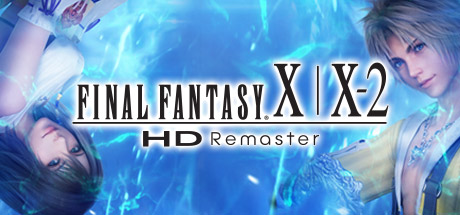
Final Fantasy X cumplió 25 años esta semana. Veinticinco años desde que Tidus llegó a Besaid, desde que la barra de turno condicional se reordenó alrededor de Haste, desde que la Esfera de Habilidades te preguntó si desarrollarías a Kimahri hacia Auron o hacia Yuna. La remasterización en Steam sigue vendiéndose, sigue siendo válida, y sigue terminándose. Una vez que los créditos pasan en la segunda partida, cada fan se hace la misma pregunta: qué hacer después. Las alternativas a Final Fantasy X que vale la pena jugar en Steam son JRPG por turnos que te piden que armes un equipo, leas los tiempos enemigos, y te mantengas en una larga historia. Hemos probado siete de ellas y las hemos clasificado según lo cerca que se acercan a Spira, con notas honestas sobre qué rompe la ilusión.
Comparación rápida
| Juego | Mejor para | Duración | Precio | Característica destacada |
|---|---|---|---|---|
| Dragon Quest XI S: Edición Definitiva | Sucesor espiritual más cercano | ~80 horas | $39,99 | Combate completamente por turnos, modo 2D y 3D |
| Persona 5 Royal | Fans de JRPG cinemático moderno | ~110 horas | $59,99 | Encadenamiento de debilidades, calendario social |
| Octopath Traveler II | Puristas del retro HD-2D | ~70 horas | $59,99 | Ocho protagonistas, Break y Boost |
| Sea of Stars | Principiantes que quieren una carrera corta | ~30 horas | $34,99 | Golpes con tiempo, sin encuentros aleatorios |
| Chained Echoes | Nostalgia Square de era SNES | ~40 horas | $24,99 | Medidor Overdrive, mechas y espadas |
| Bravely Default II | Obsesionados con sistemas de clases | ~55 horas | $59,99 | Brave y Default, 30 clases |
| Trails in the Sky FC | Lectores de narrativa de largo aliento | ~50 horas | $19,99 | Magia Orbment, construcción de mundo profunda |
Por qué los fans de FFX necesitan alternativas
La Remasterización HD es un círculo cerrado. Dos juegos, una campaña principal de 100 horas, una secuela X-2 que algunos jugadores saltan y otros adoran. Una vez que la melodía del piano de Zanarkand suena por última vez, no hay nada más en la caja. Square Enix no ha anunciado un Final Fantasy X-3, y las entradas de la serie principal reciente (combate de acción XVI, híbrido en tiempo real VII Rebirth) se han alejado del orden de turnos controlado por menús. Si el reloj CTB es lo que amabas, la serie moderna no lo ofrece más.
Otras dos razones impulsan a los fans hacia alternativas. La Esfera de Habilidades pierde su mordida una vez que has optimizado un equipo con Límite de Daño Roto, por lo que la grind de los Dark Aeons de finales de juego recompensa la optimización más que la exploración. Y FFX hace una cosa extremadamente bien, lo que significa que no satisface un anhelo de sistema de clases, un anhelo moderno-cinemático, o un anhelo de carrera más corta. Formatos diferentes. Juegos diferentes. Cada opción a continuación abre uno de esos hilos.
Las alternativas
1. Dragon Quest XI S: Echoes of an Elusive Age Edición Definitiva
Mejor para el sucesor espiritual más cercano.
Dragon Quest XI S es el JRPG más cercano en forma a Final Fantasy X en Steam. Square Enix lo construyó como una carta de amor al género que ambas series ayudaron a definir, con combate completamente por turnos, una rotación de equipo fija, una historia conmovedora de crecimiento, y una banda sonora que se inclina hacia los arreglos clásicos de Koichi Sugiyama. La Edición Definitiva añade un modo 2D que renderiza toda la campaña de 80 horas en sprites de 16 bits, una pista de audio completamente orquestal, e historias paralelas para cada miembro del equipo. Los diseños de personajes de Toriyama hacen el tono más amigable que la post-apocalipsis de Spira, pero la estructura de peregrinaje y el equipo de ocho viajeros rascan el mismo punto.
Donde flaquea: El ritmo es generoso, a veces indulgente. Espera veinte horas antes de que la historia se abra adecuadamente, y espera que la grind importe en el postgame. No hay un análogo de la Esfera de Habilidades, solo un árbol de habilidades directo por personaje.
Precio en Steam: Precio de lista $39,99, rebajado a alrededor de $12 en las ventas de temporada de Square Enix.
FFX vs Dragon Quest XI S: Mismo ADN, paleta más cálida. Donde FFX te pide que aceptes que Sin matará a todos los que amas, Dragon Quest XI te pide que aceptes que la amistad podría salvar el mundo. Ambos cierran con un ritual de equipo que recordarás.
Descargar: Steam
En resumen: El sucesor de FFX más directo en Steam. Elige esto primero si quieres otra epopeya de 80 horas por turnos. Sáltalo si los comienzos lentos te frustran.
2. Persona 5 Royal
Mejor para fans de JRPG cinemático moderno.
Persona 5 Royal es lo más cercano a la presupuesto de presentación de Final Fantasy X disponible en Steam. Atlus construyó la Edición Definitiva alrededor de Joker, un estudiante de escuela secundaria de Tokio, que lidera a los Phantom Thieves a través de Palaces (mazmorras mentales renderizadas como robos) mientras gestiona un calendario social del mundo real. El combate es por turnos con un sistema de encadenamiento de debilidades llamado One More, que recompensa el conocimiento elemental de la misma manera que FFX recompensa los tiempos de Haste y Reflect. La banda sonora acid-jazz de Shoji Meguro tiene el mismo peso en este juego que Uematsu y Hamauzu tuvieron en Spira.
Donde flaquea: Royal es un híbrido, aproximadamente mitad simulador social y mitad explorador de mazmorras. Si quieres entrar directamente en encuentros aleatorios, los descansos de capítulo del calendario te frustrarán. También es largo, cómodamente 110 horas si completas los Confidantes.
Precio en Steam: Precio de lista $59,99, rebajado a alrededor de $30 en Atlus y ventas de verano de Steam.
FFX vs Persona 5 Royal: Envoltorio de género diferente, mismo resultado emocional. FFX funciona por peregrinaje. Persona 5 funciona por amistad y contrato social. Ambos pasan sus horas finales haciéndote llorar sobre personas con las que pasaste 80 horas discutiendo.
Descargar: Steam
En resumen: Elige esto si amabas la escala cinemática de FFX y quieres la versión moderna pulida. Sáltalo si la gestión del calendario es una tarea en lugar de un gancho.
3. Octopath Traveler II
Mejor para puristas del retro HD-2D.
Octopath Traveler II es el experimento continuo de Square Enix con HD-2D, un estilo de arte sprite superpuesto sobre iluminación ray-traced y profundidad de campo. Eliges uno de ocho protagonistas para abrir con (comerciante, erudito, ladrón, clérigo, guerrero, bailarín, cazador, boticario) e historia suya se desarrolla en el continente de Solistia. El combate es por turnos con un sistema Break y Boost donde explotas debilidades enemigas para aturdirlos, luego gastas Boost Points para capas de golpes más grandes. Los combos de dos personajes y un ciclo día-noche que desbloquea diferentes PNJs dan al segundo juego una textura que el primero no tenía.
Donde flaquea: La estructura de ocho historias significa que la dinámica del equipo nunca se aglutina completamente como lo hace un elenco fijo de estilo FFX. Hacia el final del juego, los capítulos cruzados ayudan, pero las sesenta horas del medio se sienten más como una antología que como una epopeya.
Precio en Steam: Precio de lista $59,99, rebajado a alrededor de $30 durante las ventas de temporada de Steam.
FFX vs Octopath Traveler II: Estructura de turno similar, corazón diferente. FFX te da siete personajes unidos por un peregrinaje. Octopath te da ocho vidas corriendo en paralelo. Si quieres profundidad táctica, elige Octopath. Si quieres un viaje compartido, mantente con FFX y sus primos.
Descargar: Steam
En resumen: Elige esto si el bucle de combate Break y Boost te emociona más que el vínculo del equipo. Sáltalo si necesitas una historia en lugar de ocho.
4. Sea of Stars
Mejor para principiantes que quieren una carrera corta.
Sea of Stars es una indie de 2023 de Sabotage Studio que trata Chrono Trigger y Super Mario RPG como escrituras sagradas. Dos Guerreros Solstice llamados Valere y Zale canalizan magia solar y lunar para luchar contra un alquimista éldritch llamado The Fleshmancer. El combate es por turnos con golpes cronometrados, un sistema Break para bloquear especiales enemigos, y sin encuentros aleatorios (ves cada lucha en el mapa del mundo). Con alrededor de treinta horas, es con diferencia el juego más corto de esta lista, lo cual es una virtud si tu última carrera de FFX se comió un mes.
Donde flaquea: La escritura es encantadora pero ligera, y la dificultad se aplana una vez que desbloqueas los toggles de accesibilidad de Reliquia. Algunos fans de largo plazo encontraron el tono demasiado alegre después de los beats más oscuros de Chrono Cross que toma prestados.
Precio en Steam: Precio de lista $34,99, rebajado a alrededor de $17 en ventas de Steam. La Sunset Edition es el mismo juego con los parches de contenido final incluidos.
FFX vs Sea of Stars: Ambos toman prestado de la misma era del diseño de Square. FFX hereda el reloj CTB de Final Fantasy Tactics. Sea of Stars hereda los golpes cronometrados de Super Mario RPG. Sea of Stars es el que entregas a un amigo que nunca ha tocado un JRPG.
Descargar: Steam
En resumen: Elige esto si 30 horas suena mejor que 80. Sáltalo si quieres temas más oscuros y arcos de equipo complicados.
5. Chained Echoes
Mejor para la nostalgia Square de era SNES.
Chained Echoes es un proyecto de pasión de una persona del desarrollador alemán Matthias Linda que se ve y juega como un RPG de Square perdido de 1996. Controlas un elenco creciente de mercenarios, magos, y pilotos de mechas en un continente en guerra, con combate por turnos construido alrededor de un medidor Overdrive que castiga tanto el subataque (recibes más daño) como el sobreataque (tu daño cae). Posicionar ese medidor en la zona verde es la capa estratégica que los fans de FFX encontrarán familiar, similar a montar el orden de turnos CTB para un Quick Hit bien colocado.
Donde flaquea: La historia se inclina hacia los tropos de género sin siempre subvertirlos, por lo que el segundo acto se siente como una lista de verificación de cada tropo de Square de los 90. La progresión de personajes es delgada comparada con la profundidad de la Esfera de Habilidades.
Precio en Steam: Precio de lista $24,99, rebajado a alrededor de $10 en ventas de temporada.
FFX vs Chained Echoes: Ambos aman sus relojes de combate. FFX recompensa planificar una batalla completa de antemano desde la cola CTB. Chained Echoes recompensa ajustarse disparo a disparo mientras el medidor Overdrive se acerca. Si jugaste FFX por el rompecabezas táctico, esta es la equivalente indie más cercana en Steam.
Descargar: Steam
En resumen: Elige esto si quieres un recordatorio de 40 horas de la era Square de 16 bits. Sáltalo si necesitas presentación moderna.
6. Bravely Default II
Mejor para obsesionados con sistemas de clases.
Bravely Default II llevó el sistema de clases Bravely a Steam en 2021 después de una década de exclusividad de Nintendo. El combate es por turnos con la mecánica Brave y Default (puedes tomar prestados hasta tres turnos futuros al costo de estar a la defensiva el próximo turno) que convierte cada lucha en un pequeño rompecabezas de riesgo-recompensa. Treinta clases se desbloquean en toda la campaña, desde clásicos como White Mage y Vanguard hasta opciones más raras como Beastmaster y Phantom, y cada personaje puede equipar una clase primaria y secundaria para mezclar habilidades. El estilo de arte chibi es divisivo pero la profundidad del combate no lo es.
Donde flaquea: La historia es delgada, los villanos unidimensionales, y la estructura de cuatro cristales se siente acolchada pasada la mitad. El doblaje es desigual, y no hay equivalente de los giros cinemáticos de FFX.
Precio en Steam: Precio de lista $59,99, rebajado a alrededor de $30 durante ventas de Steam y Square Enix.
FFX vs Bravely Default II: Ambos te dejan reconstruir un personaje a mitad de campaña. FFX lo hace a través del re-enrutamiento de la Esfera de Habilidades con esferas de bloqueo. Bravely lo hace a través del cambio de clase entre batallas. Bravely ofrece la artesanía de construcción más profunda, FFX ofrece el mejor marco de historia alrededor de ella.
Descargar: Steam
En resumen: Elige esto si los sistemas de clases son la razón por la que amabas Final Fantasy V y Tactics. Sáltalo si necesitas que la historia te lleve.
7. The Legend of Heroes: Trails in the Sky FC
Mejor para lectores de narrativa de largo aliento.
Trails in the Sky FC es el punto de entrada a la serie Trails de Nihon Falcom, que ahora tiene dieciséis juegos y contando. Juegas como Estelle Bright, una aprendiz de bracera (mantenedora de paz mercenaria) viajando por el reino de Liberl con su hermano adoptivo Joshua. El combate es por turnos en una cuadrícula, con el sistema de magia Orbment que te permite encajar cuarzo elemental en un chasis para construir cargas de hechizos por personaje. Lo que Trails hace únicamente es hablar con cada PNJ, cada vez, y recompensarte por ello: el pueblo entero actualiza su diálogo después de cada escena de historia, lo que construye el sentido más profundo de lugar del género.
Donde flaquea: Las primeras diez horas son tranquilas, más crecimiento que peregrinaje épico. Cincuenta horas es un compromiso largo para un juego que termina en un cliffhanger duro directamente en el Segundo Capítulo. El remake anunciado para finales de 2025 (Trails in the Sky 1st Chapter) podría valer la pena esperar si el doblaje te importa.
Precio en Steam: Precio de lista $19,99 para el original, a menudo rebajado a $6 en NIS America y ventas de temporada de Steam.
FFX vs Trails in the Sky FC: Ambos recompensan lectores lentos. FFX coloca sus golpes emocionales al principio. Trails los entierra en cientos de conversaciones de PNJ que podrías perder si te apresuras. Curva de recompensa diferente, profundidad similar.
Descargar: Steam
En resumen: Elige esto si 50 horas de lectura suena como una característica. Sáltalo si quieres acción más rápida y un final autónomo.
Cómo elegir
Elige Dragon Quest XI S si quieres la forma más cercana a FFX, un peregrinaje completamente por turnos con un equipo coherente, y una banda sonora que se inclina hacia lo clásico. Es la recomendación más segura en esta lista y probablemente la que termines.
Elige Persona 5 Royal si lo que amabas de FFX era la envergadura emocional y cinemática. Royal gasta más en presentación que cualquier JRPG en Steam y su acto final rivaliza con Zanarkand de FFX por pura tristeza.
Elige Octopath Traveler II o Bravely Default II si la capa táctica es lo que te atrajo a Spira. Ambos castigan el combate descuidado y recompensan el conocimiento de trabajo o habilidad de formas que FFX solo insinuó.
Elige Sea of Stars si un amigo que nunca ha jugado un JRPG te pidió que recomendaras uno. Treinta horas, sin encuentros aleatorios, golpes cronometrados, curva de dificultad suave. Es la droga de entrada honesta.
Elige Chained Echoes o Trails in the Sky FC si quieres una experiencia más tranquila y retro. Chained Echoes es la compacta. Trails es la que te comprometes un año de tu vida de juego.
Mantente en la Remasterización HD de FFX si aún no has tocado X-2. La secuela es desigual pero intercambia disfraces a través de un sistema de combate genuinamente experimental, y ya está en el mismo paquete de Steam. Una segunda carrera completa de X en Esfera de Habilidades Experta te enseñará el juego todo de nuevo.
Preguntas frecuentes
¿Qué juego es más parecido a Final Fantasy X en PC?
Dragon Quest XI S: Edición Definitiva es la coincidencia más cercana en Steam. Ambos juegos son JRPG completamente por turnos con un equipo fijo, un mapa mundial de estilo peregrinaje, una larga historia principal emocional, y una banda sonora orquestal hinchada. Persona 5 Royal es el segundo lugar si quieres la escala cinemática moderna en lugar de la estructura clásica.
¿Hay una secuela de Final Fantasy X en Steam?
Final Fantasy X-2 está incluido en el paquete de Remasterización HD de FFX/X-2 en Steam, así que cuenta como la secuela directa. Square Enix no ha anunciado un Final Fantasy X-3, y la serie principal se ha movido hacia el combate de acción en tiempo real en Final Fantasy XVI y XVII. Si quieres la sensación CTB clásica de X, Dragon Quest XI o Bravely Default II son tus mejores apuestas.
¿Cuál es el mejor JRPG en Steam en 2026?
Para principiantes, Sea of Stars a 30 horas es la entrada más fácil. Para profundidad, Persona 5 Royal a 110 horas es la opción completa más fuerte. Para una epopeya directa de estilo FFX por turnos, Dragon Quest XI S: Edición Definitiva sigue siendo líder en Steam. Los tres funcionan en Steam Deck con ajustes menores.
¿Están estos juegos disponibles en Mac o Linux?
La mayoría de estos títulos se envían como compilaciones solo para Windows en Steam, pero cada uno en esta lista tiene una calificación green o verified de Steam Deck, lo que significa que funcionan en SteamOS (Linux) a través de Proton. Los usuarios de Mac típicamente necesitan CrossOver o una máquina virtual. Los puertos nativos de JRPG para Mac y Linux siguen siendo raros en 2026.
¿Cuál de estos es la alternativa a FFX más barata?
Trails in the Sky FC a $19,99 (usualmente $6 en venta) y Chained Echoes a $24,99 (usualmente $10 en venta) son los dos JRPG completos más baratos de esta lista. Ambos ofrecen 40 a 50 horas de contenido por turnos por menos que el precio de un juego AAA reciente.
¿Cuánto dura Final Fantasy X comparado con estas alternativas?
La campaña principal de la Remasterización HD de FFX dura alrededor de 60 horas, con 100 horas típicas para una carrera completista. Dragon Quest XI S a 80 horas y Persona 5 Royal a 110 horas son más largas. Sea of Stars a 30 horas es aproximadamente la mitad de la duración. Chained Echoes, Bravely Default II, y Trails in the Sky FC se sientan entre 40 y 55 horas cada uno.