

Mercado Pago concentra cartera, cuenta remunerada, fraccionamiento en Mercado Livre, cripto y terminal de pago en una sola app. El rendimiento del saldo por defecto es fuerte, pero la app se ha vuelto ruidosa: banners de cripto, avisos de Linha de Crédito y Meli+ compiten en el inicio. Si la experiencia cotidiana empieza a parecer un marketplace dentro de un banco, el espacio de carteras en Brasil ofrece alternativas a Mercado Pago más sobrias que conservan lo esencial y recortan lo accesorio.
En esta guía comparamos 7 alternativas a Mercado Pago, cada una afinada para un cometido: cartera pura, profundidad bancaria, velocidad P2P, recargas o exposición a cripto.
Comparativa rápida
| App | Ideal para | Rendimiento del saldo | Pix | Destacado |
|---|---|---|---|---|
| Nu | Interfaz neobanco limpia | Caixinha 100% CDI | Gratis, ilimitado | Alta en minutos |
| PicPay | P2P y recibos a plazos | 102% CDI | Gratis, ilimitado | Pix a plazos hasta 36 veces |
| PagBank | Cartera más TPV | Hasta 100% CDI | Gratis, ilimitado | Misma app para vender y ahorrar |
| Banco Inter | Inversiones e Inter Shop | Varios tramos | Gratis, ilimitado | Bróker en casa más cashback |
| C6 Bank | Acumular recompensas | CDI estándar | Gratis, ilimitado | Átomos y cuenta global |
| RecargaPay | Recargas y recibos | Tramo 120% CDI | Gratis, ilimitado | Fraccionamiento y transporte |
| Bitso | Cartera cripto first | N/A | Pix gratuito para ingresar | Spot y stablecoins |
Por qué la gente deja Mercado Pago
Mercado Pago sigue ganando en rendimiento bruto e integración con Mercado Livre, pero la app se ha espesado de formas que cansan.
- Ventas cruzadas agresivas. El inicio empuja cripto, Linha de Crédito y fondos de Mercado Crypto. Quien solo quiere banca dice que cuesta encontrar la superficie bancaria.
- Reverificaciones KYC en flujos rutinarios. Compradores y vendedores cuentan solicitudes repetidas de documentos tras pequeños cambios de perfil o un dispositivo nuevo.
- Retenciones de saldo en disputas. Las disputas en Mercado Livre pueden congelar saldos de Mercado Pago varios días; los vendedores lo notan más.
- Peso de la app. Mercado Crypto, Meli+ y la pila de cartera suman pantallas. El arranque en frío en Android antiguo ya se nota.
- Rendimiento condicionado. El 105% del CDI lleva mínimo de ingreso mensual y otras condiciones. En la práctica, el saldo por defecto a menudo gana menos.
Qué alternativa a Mercado Pago elegir
- Nu si buscáis una experiencia solo bancaria más limpia.
- PicPay si partís recibos con amigos y queréis Pix a plazos.
- PagBank si también cobráis.
- Banco Inter si queréis un bróker real integrado.
- C6 Bank si gastáis lo suficiente para merecer recompensas.
- RecargaPay si recargas y recibos dominan el uso.
- Bitso si la parte cripto era lo que realmente usabais.
1. Nu — la mejor alternativa a Mercado Pago para una app más tranquila

La app de Nu se centra en cuenta, tarjeta y Pix. La Caixinha devuelve el 100% del CDI sin mínimos mensuales de ingreso, la tarjeta de crédito no tiene cuota anual y el inicio no abre con cripto ni banners de préstamos a plazos. La atención es chat first con refuerzo telefónico.
Limitaciones: El rendimiento va por detrás del techo de Mercado Pago. Las inversiones a través de NuInvest cubren lo básico sin profundidad de bróker en casa.
Precios: Cuenta gratuita. Tarjeta sin cuota anual. Pix ilimitado sin coste.
Nu frente a Mercado Pago: Nu gana en sobriedad de interfaz. Mercado Pago gana en techo de rendimiento del saldo.
Conclusión: Elegid Nu cuando la app de banco deba parecer banco.
2. PicPay — lo mejor para P2P y recibos a plazos
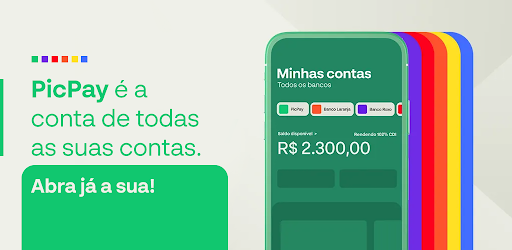
PicPay afina el flujo social de cartera que Mercado Pago trata con menos mimo. La cuenta rinde el 102% del CDI, el Pix entre contactos es rápido y el Pix a plazos hasta 36 veces es singular. Los recibos pueden pagarse a plazos hasta 36 veces con tarjeta, algo que Mercado Pago no iguala en la mayoría de tarjetas.
Limitaciones: El cashback en socios fluctúa. El programa de niveles de tarjeta tiene curva de aprendizaje.
Precios: Cuenta gratuita. Tarjeta estándar sin cuota anual. Black con cuota condicionada al gasto.
PicPay frente a Mercado Pago: PicPay gana en P2P y flexibilidad a plazos. Mercado Pago gana en integración con Mercado Livre.
Conclusión: Elegid PicPay si enviáis Pix a amigos cada semana y partís recibos grandes.
3. PagBank — lo mejor si también vendéis
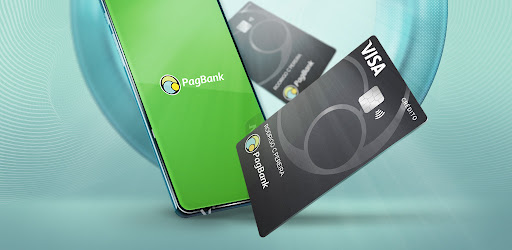
El atractivo de PagBank es el Point emparejado con la cuenta personal. La cuenta hace lo mismo que Mercado Pago y además el Point permite a un autónomo o microempresa cobrar con tarjeta y Pix en la misma app. El saldo puede remunerarse vía CDB interno automático.
Limitaciones: La interfaz orientada a comercio añade ruido si solo queréis lo personal. Algunas ventas cruzadas recuerdan a Mercado Pago en intensidad.
Precios: Cuenta gratuita. Point sin alquiler ni cuota mensual de máquina. Tasas por operaciones con tarjeta y Pix de venta.
PagBank frente a Mercado Pago: PagBank gana en uso personal-comercio integrado. Mercado Pago gana en profundidad de fraccionamiento vía Mercado Livre.
Conclusión: Elegid PagBank si la misma persona necesita cuenta y cobro.
4. Banco Inter — lo mejor para invertir junto a la cartera
Banco Inter empareja la cuenta digital con bróker en casa, CDB, LCI, LCA, Tesouro Directo y el programa Inter Loop. El marketplace Inter Shop devuelve cashback directamente al saldo. La cuenta internacional en USD suma exposición al dólar que Mercado Pago no iguala.
Limitaciones: App más pesada. Las funciones de bróker añaden curva si solo queréis cartera.
Precios: Cuenta gratuita. Tarjeta estándar sin cuota anual. Cuenta internacional gratuita para personas físicas.
Banco Inter frente a Mercado Pago: Inter gana en inversiones, hipotecas y dólar. Mercado Pago gana en rendimiento por defecto y simplicidad de cartera.
Conclusión: Elegid Inter cuando la cartera deba ser también cuenta de inversión.
5. C6 Bank — lo mejor para recompensas ligadas al gasto

C6 Bank paga puntos Átomos en débito, crédito y Pix a crédito, algo que el programa de tarjeta de Mercado Pago no iguala. La Carbon gratuita suma bien por categorías y C6 Global ofrece multicurrency con USD, EUR y GBP sin coste mensual en el nivel estándar.
Limitaciones: El rendimiento por defecto va por detrás del techo de Mercado Pago. La plataforma de inversión es sólida pero más estrecha que la de Inter.
Precios: Cuenta gratuita. Carbon gratuita. C6 Global gratuito en el nivel estándar.
C6 Bank frente a Mercado Pago: C6 gana en programa de puntos y multicurrency. Mercado Pago gana en techo de rendimiento y en la pila de Mercado Livre.
Conclusión: Elegid C6 si la tarjeta concentra el gasto mensual.
6. RecargaPay — lo mejor para recargas y pagos de recibos

RecargaPay nació como app de recargas y creció hacia cartera. Las recargas móviles, las tarjetas de transporte y los recibos van más rápido y ordenados que en Mercado Pago. La cuenta ofrece un tramo de rendimiento por encima del ahorro estándar y el Pix es ilimitado y gratuito.
Limitaciones: Sin integración con marketplace. Las inversiones son mínimas frente a Inter o C6.
Precios: Cuenta gratuita. Tarjeta de crédito sin cuota anual y cashback en socios. Tramo de rendimiento sujeto a condiciones del plan.
RecargaPay frente a Mercado Pago: RecargaPay gana en flujos de recibo y recarga rutinarios. Mercado Pago gana en funciones globales de cuenta.
Conclusión: Elegid RecargaPay si la mitad del uso de la cartera es pagar recibos y recargar móviles.
7. Bitso — lo mejor para uso cripto first

Si Mercado Crypto era lo que realmente usabais de Mercado Pago, Bitso es la alternativa enfocada. Bitso admite un catálogo más amplio de criptomonedas y stablecoins, el Pix puede alimentar la cuenta directamente y la superficie de exchange es más limpia que el módulo cripto incrustado en Mercado Pago.
Limitaciones: No es banco completo. Sin programa de tarjetas comparable, sin fraccionamiento de marketplace.
Precios: Cuenta gratuita. Comisiones de trading por tramo. Sin suscripción mensual obligatoria.
Bitso frente a Mercado Pago: Bitso gana en profundidad cripto y superficie dedicada. Mercado Pago gana en unir cripto con banca cotidiana.
Conclusión: Elegid Bitso si lo que os retenía en Mercado Pago era exposición a Bitcoin o USDP.
Cómo elegir
Para el cambio bancario más limpio, instalad Nu: cuenta, tarjeta y Pix sin que cripto y préstamos a plazos invadan el inicio.
Para el mejor rendimiento del saldo sin rodeos mensuales complejos, Banco Inter o PicPay superan el 100% del CDI en el saldo por defecto, con bróker en el primero y Pix a plazos en el segundo.
Para puntos por gasto, los Átomos de C6 Bank suelen superar el programa de tarjeta de Mercado Pago en acumulación. Para cartera que también cobra, PagBank une cuenta y Point en la misma persona.
Tiene sentido quedaros en Mercado Pago si compráis mucho en Mercado Livre, queréis el tramo del 105% del CDI con su mínimo de ingreso mensual o usáis la cartera como raíl de fraccionamiento de Mercado Livre. La integración es la ventaja competitiva.
Preguntas frecuentes
¿Cuál es la mejor alternativa a Mercado Pago? Para banca cotidiana con interfaz limpia, Nu es la respuesta habitual. Para mayor rendimiento sin condiciones mensuales complejas, la mezcla de productos de Banco Inter compite. Solo cripto: Bitso.
¿Se puede usar Pix en otras carteras? Sí. Todas las alternativas de esta lista admiten Pix entrante y saliente gratuito e ilimitado para personas. Pix es servicio del Banco Central, no exclusivo de una app.
¿Qué cartera ofrece el mayor rendimiento en Brasil? Mercado Pago anuncia hasta el 105% del CDI con condiciones de ingreso mensual. El 102% de PicPay y los CDB por tramos de Inter compiten de cerca. Leed condiciones antes de cambiar solo por rendimiento.
¿Es Nubank mejor que Mercado Pago? Para una experiencia bancaria tranquila, sí. Para fraccionamiento en Mercado Livre y techo de rendimiento del saldo, no. Muchas personas en Brasil mantienen ambas y reparten por caso de uso.
¿Puedo mover el saldo de Mercado Pago a otra app? Sí. Los Pix entre entidades financieras brasileñas son instantáneos y gratuitos. Movéis el saldo y cerráis la cuenta de Mercado Pago desde ajustes.
