El lanzamiento de Acceso Temprano de Path of Exile 2 sacudió la escena ARPG más de lo que la mayoría de los jugadores esperaban. Aunque Grinding Gear Games se ha comprometido a mantener PoE1 funcionando en paralelo — incluyendo la actualización de la versión 1.2 que confirma el soporte a largo plazo para el juego original — muchos jugadores utilizaron la transición como una razón para mirar alrededor. Si tus próximas cien horas podrían ir a otro lugar, estos son los mejores alternativas a Path of Exile en PC en este momento.
Comparación rápida
| Juego | Mejor para | Modelo de precio | Profundidad del endgame | Juego sin conexión |
|---|---|---|---|---|
| Last Epoch | Elaboración moderna de compilaciones | $34.99 de una sola vez | Alta | Sí |
| Diablo IV | Valores de producción AAA | $69.99 + temporadas | Alta | No |
| Grim Dawn | Experiencia clásica sin conexión | $25 de una sola vez | Alta | Sí |
| Diablo II Resurrected | Nostalgia atemporal | $39.99 de una sola vez | Media | Sí |
| Torchlight Infinite | Profundidad F2P | Gratis (cosméticos) | Alta | No |
| Lost Ark | Incursiones MMOARPG | Gratis (paga por conveniencia) | Muy alta | No |
| Titan Quest II | ARPG Mitológico | ~$39.99 de una sola vez | Media (acceso temprano) | Sí |
Por qué la gente deja atrás PoE en 2026
La queja más común en el subreddit de PoE no es una pared de dificultad, sino una pared de aprendizaje. Las nuevas ligas introducen mecánicas que hacen referencia a cuatro ligas anteriores, y los jugadores sin años de lectura de wiki pueden pasar una sesión de liga completa sintiéndose perdidos. Esta fricción se ha intensificado porque PoE2 atrae la atención de los desarrolladores y divide la comunidad entre dos juegos.
El sistema comercial es el otro punto de fricción. Comprar objetos implica abrir un navegador, enviar mensajes a extraños y esperar que respondan antes de que se venda el objeto. Los usuarios en Reddit lo describen consistentemente como la única característica que cambiarían antes que cualquier otra cosa. PoE2 retuvo un modelo similar en Acceso Temprano, lo que decepcionó a los jugadores que esperaban una casa de subastas integrada.
Finalmente, está el ritmo de monetización. Las pestañas de almacenamiento son prácticamente obligatorias para el juego serio y cuestan dinero real. Eso está bien en sí mismo, pero la combinación de pestañas de almacenamiento, cosméticos y contenido específico de ligas crea un patrón de gasto que sorprende a muchos jugadores.
Los 7 mejores alternativas a Path of Exile para PC
Last Epoch — el mejor ARPG moderno con verdadera libertad de compilaciones
Last Epoch alcanzó la versión 1.0 en febrero de 2024 después de cuatro años en Acceso Temprano y llegó en buena forma. El sistema de árbol de habilidades funciona de manera diferente a PoE: cada habilidad tiene su propio árbol de especialización, por lo que construyes alrededor de cómo funciona una habilidad específica en lugar de enrutarte a través de una red pasiva masiva. Este enfoque hace que la variedad de compilaciones se sienta ganada en lugar de abrumadora.
El sistema de elaboración es la verdadera estrella. En lugar de rezar sobre gotas aleatorias, usas afijos deterministas en la mesa de elaboración — puedes ver los resultados posibles e impulsas los resultados a tu favor. No reemplaza la búsqueda de botín, pero significa que una semana mala de gotas rara vez te deja atrapado.
Dónde se queda corto: El sistema de Corrupción del endgame no tiene el volumen masivo de contenido que ofrece el Atlas de PoE. El rendimiento multijugador mejoró después del lanzamiento pero aún puede ser áspero en áreas densas. La historia es funcional, no memorable.
Precio:
- Gratis: Demo disponible en Steam (limitado a Acto 1)
- Pago: $34.99 de una sola vez en Steam, sin suscripción, sin DLC obligatorio
- vs Path of Exile: PoE es gratis; Last Epoch cuesta dinero por adelantado pero no hay muros de pestañas de almacenamiento
Descargar: Steam
Conclusión: Elige Last Epoch si el sistema comercial de PoE y la curva de aprendizaje del árbol pasivo son lo que te ahuyentó — mantiene la profundidad y elimina la mayor parte de la fricción.
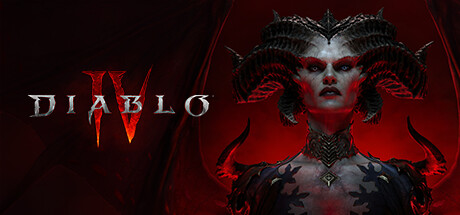
Diablo IV — el mejor ARPG para pura calidad de producción
Diablo IV es el action-RPG más pulido en PC, punto. El diseño del mundo, la animación, el sonido y el momento a momento de la sensación de combate están a un nivel que los juegos gratuitos no pueden igualar. Si quieres un ARPG que se sienta como un producto premium desde el primer clic, este es.
El modelo estacional agregó una estructura de endgame adecuada — niveles de Pit, dificultades de Torment y búsquedas estacionales mantienen el progreso en movimiento. La expansión Vessel of Hatred de 2024 agregó la clase Spiritborn, que se convirtió inmediatamente en popular por su mecánica de recursos única. Blizzard ha mantenido un ritmo de parches razonablemente constante desde el lanzamiento.
Dónde se queda corto: El pase de temporada y la tienda de cosméticos son caros en relación con los competidores. La variedad de compilaciones, aunque mejorada, sigue siendo inferior a Last Epoch y Grim Dawn — la meta tiende a estrecharse rápidamente cada temporada. Jugar fuera de temporada significa perder las ventanas de contenido más pobladas.
Precio:
- Gratis: Sin nivel gratuito
- Juego base: $69.99; expansión Vessel of Hatred: $39.99
- vs Path of Exile: Significativamente más caro por adelantado; los costos continuos de PoE dependen de las compras de pestañas de almacenamiento
Descargar: Battle.net
Conclusión: Elige Diablo IV si quieres un juego que se sienta terminado y pulido, y estás cómodo con el modelo de gasto estacional de Blizzard.
Grim Dawn — el mejor ARPG clásico sin conexión
Grim Dawn salió en 2016 y sigue siendo uno de los ARPGs más respetados jamás creados. El sistema dual de clases — elige dos de seis árboles de dominio y combina — produce un espacio combinatorio que los jugadores siguen encontrando nuevas esquinas una década después. El tono es oscuro e intencional, más cercano a Diablo II que a las entradas modernas más brillantes.
Se ejecuta completamente sin conexión. Sin servidores, sin ligas, sin FOMO estacional. Posees todo lo que compras y puedes modificar el juego libremente en Steam Workshop. Dos expansiones principales (Ashes of Malmouth y Forgotten Gods) están disponibles y bien valen la pena.
Dónde se queda corto: Los gráficos y la interfaz muestran su edad. No hay casa de subastas integrada ni economía comercial en el juego; multijugador solo cooperativo, sin economía compartida. Crate Entertainment es un estudio pequeño, así que el ritmo de actualización es lento en comparación con GGG o Blizzard.
Precio:
- Gratis: Sin nivel gratuito
- Juego base: $25 en Steam; expansión Ashes of Malmouth: $18; expansión Forgotten Gods: $13
- vs Path of Exile: Costo total similar a un almacenamiento PoE completamente equipado; sustancialmente más barato que Diablo IV
Descargar: Steam
Conclusión: Elige Grim Dawn si quieres un ARPG profundo y permanente que puedas jugar a tu propio ritmo sin obligaciones de servicio en vivo.
Diablo II Resurrected — el mejor clásico atemporal
Diablo II Resurrected es la remasterización de 2021 del juego que definió el género. Los gráficos se reconstruyeron desde cero — puedes cambiar entre viejo y nuevo con un solo botón — pero todo debajo es el código original de 2001 ejecutándose intacto. Eso incluye la objetización, el sistema de palabras rúnicas y las siete clases originales.
Si creciste con Diablo II o estuviste cerca, la remasterización se mantiene. Si no, sigue siendo digno de jugar como un pedazo de historia de ARPG. Los builds de personajes son estrechos por estándares modernos, pero el elaboración de palabras rúnicas es genuinamente satisfecho una vez que aprendes el sistema.
Dónde se queda corto: Este es un juego de 25 años en una capa nueva. Sin contenido nuevo significativo — Blizzard abandonó las temporadas de escalera planeadas y los parches de equilibrio después de que el equipo de Vicarious Visions fue reestructurado. La estabilidad del servidor ha sido intermitente. La experiencia alcanza su punto máximo temprano y ofrece menos endgame que cualquier otra entrada en esta lista.
Precio:
- Gratis: Sin nivel gratuito
- Pago: $39.99 de una sola vez en Battle.net; no se requiere expansión (Lord of Destruction está incluido)
- vs Path of Exile: Más caro por adelantado sin actualizaciones de contenido continuas
Descargar: Battle.net
Conclusión: Elige Diablo II Resurrected si la nostalgia es el objetivo real, o si quieres entender las raíces del género. No lo elijas esperando un juego activo con contenido continuo.
Torchlight Infinite — el mejor ARPG F2P con profundidad real
Torchlight Infinite es la entrada F2P en esta lista que realmente entrega complejidad de compilación. Desarrollado por XD Entertainment, se lanzó en PC en 2023 después de un lanzamiento móvil y tiene una cuadrícula de habilidades pasivas que se sentirá familiar para los veteranos de PoE. Cada temporada introduce nuevos rasgos de héroes y mecánicas que cambian significativamente cómo funcionan las compilaciones.
La monetización es solo cosmética. No hay impulsos de poder pagados, no hay restricciones de espacio de inventario que requieran efectivo para levantar. El pase de batalla estacional es opcional y solo ofrece recompensas cosméticas. Eso la posiciona bien contra el modelo de pestañas de almacenamiento de PoE y los patrones de paga por conveniencia de Lost Ark.
Dónde se queda corto: El juego requiere una conexión a Internet y la comunidad es más pequeña que la de PoE, lo que significa menos guías de compilación y menos herramientas de terceros. La historia y el mundo son genéricos comparados con Grim Dawn o Diablo IV. Algunas características de calidad de vida que esperan los veteranos de PoE — como controles de filtro avanzados — están menos desarrolladas.
Precio:
- Gratis: Completamente F2P; todo el contenido de juego es accesible
- Pago: Cosméticos y pase de batalla estacional opcional (menos de $15)
- vs Path of Exile: Costo continuo más barato para jugadores que de otro modo comprarían pestañas de almacenamiento
Descargar: Steam
Conclusión: Elige Torchlight Infinite si quieres profundidad de compilación estilo PoE sin gastar dinero — y estás cómodo con una comunidad más pequeña.
Lost Ark — el mejor MMOARPG para incursiones de endgame
Lost Ark es el más lejano de un ARPG tradicional en esta lista. Es un MMOARPG coreano desarrollado por Smilegate RPG y publicado en Occidente por Amazon Games. El juego temprano es un tutorial extendido, pero el endgame — Guardian Raids, Abyss Dungeons, Legion Raids — está estructurado alrededor del juego grupal coordinado de una manera que ningún otro juego aquí iguala.
Si el juego solo o débilmente cooperativo de PoE te ha sentido aislado y quieres algo más cercano a un MMO con combate de corte, Lost Ark llena ese espacio. El combate está animado espectacularmente y la identidad de clase es fuerte; Arcanist, Bard y Paladin todos juegan muy diferente entre sí.
Dónde se queda corto: El modelo de monetización es el más agresivo aquí. Las mejoras de horneado (progresión de equipo) implican sistemas ricos en RNG, y aunque puedes avanzar gratis, el juego claramente incentiva el gasto para reducir la molestia. El contenido de la historia antes del endgame es aproximadamente 40 horas de búsquedas principalmente ignorables. Las poblaciones de servidores occidentales han disminuido desde su apogeo en 2022.
Precio:
- Gratis: F2P con todas las clases base y contenido
- Pago: Founder packs, suscripción Crystalline Aura (~$15/mes), cosméticos, artículos de conveniencia
- vs Path of Exile: Modelo similar en espíritu; paga por conveniencia de Lost Ark es más abierto
Descargar: Steam
Conclusión: Elige Lost Ark si el endgame grupal coordinado es lo que buscas — pero entra con los ojos abiertos sobre la monetización.
Titan Quest II — el mejor regreso de ARPG mitológico
Titan Quest II se lanzó en Acceso Temprano a finales de 2024 de Grimlore Games. El Titan Quest original (2006) es uno de los mejores ARPGs de su época, construido alrededor de la mitología griega, egipcia y asiática con un sistema de dominio dual que Grim Dawn luego refinó. La secuela amplía esa fórmula con gráficos actualizados y un sistema de habilidades rediseñado.
A partir de 2026, el juego está completo en contenido a través del Acto II con más Actos programados. Para jugadores que quieren algo que se vea y se sienta como un juego moderno pero que se base en la misma filosofía de diseño fundamental que Grim Dawn, esta es la opción más cercana. La configuración de mitología sola la separa de todo lo demás en esta lista.
Dónde se queda corto: Todavía está en Acceso Temprano, lo que significa que la historia termina a mitad de camino, algunos sistemas aún se están ajustando y la estabilidad puede ser inconsistente. Aún no tiene la profundidad de endgame de Grim Dawn o Last Epoch. Espera 1.0 si las asperezas del Acceso Temprano te molestan.
Precio:
- Gratis: Sin nivel gratuito
- Pago: aproximadamente $39.99 en Acceso Temprano en Steam (el precio puede cambiar en el lanzamiento completo)
- vs Path of Exile: Costo similar a la configuración de almacenamiento de PoE; compra única sin modelo de servicio en vivo
Descargar: Steam
Conclusión: Elige Titan Quest II si quieres la configuración de mitología y el ADN de diseño de Grim Dawn en un paquete moderno — solo sabe que estás comprando un juego aún en desarrollo.
Cómo elegir
Elige Last Epoch si el sistema comercial de PoE, la aleatoriedad de la elaboración y la complejidad del árbol pasivo son lo específico que te cansó. Es el juego moderno más cercano a lo que PoE hace bien, con la mayoría de la fricción eliminada.
Elige Diablo IV si quieres el ARPG más pulido y visualmente impresionante del mercado y no te importa un modelo de gasto de servicio en vivo. Es un mejor ajuste para jugadores que les gustan las temporadas definidas con un inicio y final claros.
Elige Grim Dawn si quieres un juego profundo sin conexión que puedas jugar a tu propio ritmo, modificado, a cualquier velocidad, sin servidores para caer y sin reinicios estacionales para perseguir. Recompensa la inversión a largo plazo en un solo personaje.
Elige Diablo II Resurrected si la nostalgia es el objetivo real, o si quieres entender las raíces del género. No lo elijas esperando un juego activo con contenido continuo.
Elige Torchlight Infinite si el presupuesto es una restricción estricta. Es genuinamente gratis y el sistema de compilación es lo suficientemente profundo para satisfacer a la mayoría de los veteranos de PoE — la comunidad más pequeña es el principal compromiso.
Elige Lost Ark si quieres contenido de endgame que requiera a otras personas. Guardian Raids y Legion Raids son desafíos bien diseñados que ningún otro juego en esta lista replica.
Elige Titan Quest II si quieres la configuración de mitología y estás cómodo comprando en Acceso Temprano. Consulta el plan en Steam antes de comprar.
Permanece en Path of Exile (1 o 2) si el endgame de Atlas, la complejidad profunda de elaboración y el modelo F2P son características que valoras en lugar de puntos de fricción. Ningún juego en esta lista tiene tanto contenido de endgame como PoE1, y PoE2 solo crecerá.
Preguntas frecuentes
¿Es Last Epoch mejor que Path of Exile? Para muchos jugadores en 2026, sí — pero por razones específicas. El sistema de elaboración de Last Epoch es más determinista, los árboles de especialización de habilidades son más fáciles de entender, y no hay pestaña comercial para navegar. Path of Exile tiene un endgame más grande, una economía de ligas más activa y más contenido total. Cuál es mejor depende de si valoras la complejidad o la accesibilidad.
¿Cuál es la mejor alternativa F2P a Path of Exile para PC? Torchlight Infinite es la mejor opción completamente gratuita con profundidad de compilación comparable. Lost Ark también es gratis pero funciona más como un MMO coreano que como un ARPG tradicional. Ambos requieren una conexión a Internet; ninguno tiene la profundidad de endgame de PoE, pero Torchlight Infinite es el más cercano.
¿Puedo jugar estos juegos sin conexión? Last Epoch, Grim Dawn, Diablo II Resurrected y Titan Quest II todos soportan juego sin conexión. Diablo IV, Torchlight Infinite y Lost Ark requieren una conexión a Internet en todo momento.
¿Qué usan los jugadores en lugar de Path of Exile para una experiencia más casual? Diablo IV es la respuesta más común para jugadores que quieren algo más accesible. La campaña es lineal y bien paceada, la objetización es más fácil de entender, y el juego no requiere herramientas externas o wikis para avanzar. Grim Dawn es una buena alternativa para jugadores que quieren profundidad sin obligaciones en línea.
¿Vale la pena comprar Diablo II Resurrected en 2026? Depende de tu apego al original. La remasterización preserva el juego fielmente y el sistema de palabras rúnicas se mantiene. Sin embargo, Blizzard no ha lanzado contenido nuevo significativo desde el lanzamiento, y los problemas del servidor han sido recurrentes. Para la nostalgia pura, funciona bien; para el compromiso continuo, otras opciones en esta lista sirven mejor.