The Sims Mobile te pide que esperes dos horas de tiempo real para completar el desarrollo de una habilidad profesional, o gastes SimCash para saltártelo. Ese bucle se reproduce docenas de veces por sesión. Los jugadores que vinieron de The Sims 4 en PC a menudo abandonan la aplicación en una semana, no porque el concepto de simulación de vida sea malo en móvil, sino porque el sistema de energía se interpone entre tú y cada acción que se siente significativa.
Si quieres alternativas de Sims para Android que se enfoquen en simulación de vida sin limitar tu juego, comparamos siete opciones. Algunas son mundos sociales más amplios, algunas reducen el género al texto, y algunas satisfacen una necesidad particular de Sims mejor que The Sims Mobile.
Comparación rápida
| Aplicación | Mejor para | Plan gratuito | Precio inicial | Característica destacada |
|---|---|---|---|---|
| The Sims FreePlay | Experiencia Sims más completa | Sí, completo | Compras opcionales dentro de la aplicación | Familias multisim con carreras y hogares |
| Avakin Life | Mundo social en 3D | Sí, completo | Paquetes de Avacoins desde $4,99 | Encuentros en tiempo real con otros jugadores |
| IMVU | Personalización profunda de avatares | Sí, completo | $9,99/mes VIP | Millones de artículos de catálogo creados por usuarios |
| Habbo | Salas sociales retro píxel | Sí, completo | Club Habbo desde $4,99/mes | Juego social de píxeles con larga historia comunitaria |
| Gacha Life | Escenas de personajes anime | Sí, completo | Compras opcionales | Modo de estudio para escribir y escenificar tus propias escenas |
| Virtual Families 2 | Simulación del hogar offline | Sí, demostración | $4,99 de una sola vez | Sin temporizadores de energía, gestión del hogar completa |
| High School Story | Drama de adolescentes impulsado por historias | Sí, completo | Paquetes de gemas opcionales | Líneas de misión con consecuencias de relaciones |
Por qué la gente abandona The Sims Mobile
The Sims Mobile es técnicamente gratuito. Los problemas comienzan cuando juegas más allá del tutorial.
Las puertas de energía bloquean todo. Cada acción, desde cocinar una comida hasta asistir a un evento de carrera, cuesta un boleto de Evento Social o un punto de energía. El juego te da lo justo para jugar aproximadamente quince minutos, luego te pide que esperes o pagues. Los usuarios en Reddit describen frecuentemente la recarga de energía como lo único real en lo que gastan dinero.
Los eventos de carrera reciclan los mismos minijuegos. The Sims Mobile reemplazó el sistema de carrera de The Sims FreePlay con eventos de guion que rotan a través de cinco o seis tipos de interacción. La novedad se agota rápidamente y no hay un camino hacia una simulación más profunda debajo.
Las casas cuestan más que los muebles dentro de ellas. Desbloquear una segunda casa requiere un extenso grinding de eventos o dinero real. Los jugadores de Sims 4 acostumbrados a construir casas elaboradas encuentran frustrantes los tamaños de lotes y los requisitos de desbloqueo en pocas sesiones.
El progreso se ralentiza a un ritmo de caracol. Los rasgos hereditarios y el progreso de la historia se desbloquean a través de un largo sistema de herencia. Alcanzar los capítulos de historia donde la escritura se pone interesante requiere semanas de juego diario o gastos significativos.
La versión de iOS es más pulida. Varios usuarios de Android han notado bugs persistentes y ocasionales caídas de fotogramas que la versión de iOS maneja mejor. El ritmo de parches de EA aún no ha cerrado completamente la brecha.
Las 7 mejores alternativas de Sims para Android
The Sims FreePlay, mejor reemplazo de Sims en general
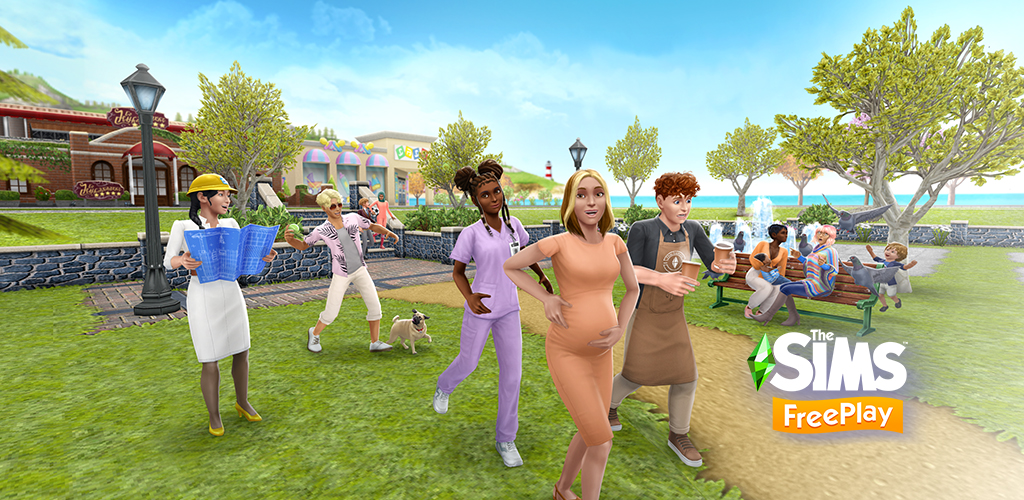
The Sims FreePlay es la simulación de vida más completa en Android. Administras familias de hasta 34 Sims en un pueblo compartido, asignas carreras, construyes relaciones románticas, crías hijos y envejecer personajes a través de etapas de vida. El modo de construcción te permite colocar muebles mosaico por mosaico, y la profundidad de personalización en el creador de personajes está más cerca de Sims 4 que de The Sims Mobile.
Dónde falla: Las acciones aún usan temporizadores de tiempo real, así que cocinar una comida o mejorar una habilidad de carrera requiere horas reales si no gastas Puntos de estilo de vida para saltarte. Comparte el modelo de monetización central de The Sims Mobile, aunque el juego subyacente es sustancialmente más profundo.
Precios:
- Gratis: juego completo, todas las etapas de vida, hasta 34 Sims por pueblo
- De pago: Puntos de estilo de vida y Simoleons vendidos en paquetes, sin compras obligatorias para completar el juego
- vs The Sims Mobile: más contenido sin costo, pero el mismo modelo basado en temporizadores debajo
Migrar desde The Sims Mobile: No existe transferencia de guardado. Recrea tu hogar en el editor de personajes de FreePlay. El sistema de carrera y el modo de construcción de casas son ambos más desarrollados, así que el movimiento hacia arriba es notable.
En conclusión: Elige The Sims FreePlay si quieres la experiencia más completa de Sims en Android y estás dispuesto a trabajar alrededor de los temporizadores.
Avakin Life, mejor mundo social gratuito
Avakin Life te coloca en un mundo 3D con otros jugadores en tiempo real. Construyes un avatar con miles de opciones de ropa, decoras apartamentos privados y entras en espacios públicos temáticos donde ocurren conversaciones con personas reales. Satisface el picor de dinámicas sociales de Sims y autoexpresión sin ninguna puerta de energía bloqueando el movimiento por el mundo.
Dónde falla: La economía enfatiza mucho los gastos cosméticos. La ropa básica es gratuita pero los artículos de guardarropa más detallados cuestan Avacoins. El entorno de chat en vivo puede ser impredecible para jugadores más jóvenes.
Precios:
- Gratis: acceso completo al mundo, guardarropa básico y decoración de apartamentos
- De pago: Paquetes de Avacoins desde aproximadamente $4,99 para cosméticos premium
- vs The Sims Mobile: sin medidores de energía en absoluto, pero el juego es social en lugar de gestión del hogar
Migrar desde The Sims Mobile: No hay ruta de importación. Construye un nuevo avatar y configura un apartamento desde cero. El creador de guardarropa cubre terreno similar a la herramienta CAS de The Sims Mobile.
En conclusión: Elige Avakin Life si la dinámica social de The Sims Mobile era lo que te mantenía jugando, y quieres eso sin límites de energía.
IMVU, mejor para profundidad de avatar y juego de rol
IMVU ha ejecutado chat de avatar 3D desde 2004 y tiene el catálogo más profundo de cualquier aplicación en esta lista. Millones de artículos cubren cabezas, cuerpos, tonos de piel, ojos, animaciones y capas de ropa, muchas creadas por la comunidad. Las salas privadas te permiten configurar espacios exactamente como una construcción de Sims e invitar a amigos específicos dentro. La comparación de The Sims Mobile vs IMVU se reduce a simulación estructurada versus escenificación social de formato libre.
Dónde falla: La interfaz de la aplicación está desactualizada y puede parecer desordenada. Los créditos premium se acumulan si persigues artículos de avatar altamente detallados del catálogo.
Precios:
- Gratis: acceso completo a chat, avatar inicial con personalización básica
- De pago: créditos desde aproximadamente $4,99 para artículos de catálogo; suscripción VIP en aproximadamente $9,99/mes elimina anuncios y proporciona una asignación de créditos
- vs The Sims Mobile: sin sistema de carrera o familia, pero cero puertas de energía en la interacción social
Migrar desde The Sims Mobile: Comienza de nuevo. Recrea el aspecto de tu Sim usando el editor de cuerpo de IMVU, luego compra prendas de vestuario que combinen con el catálogo. La mayoría de los estilos estéticos de The Sims Mobile se traducen con una búsqueda pequeña.
En conclusión: Elige IMVU si la profundidad de personalización del avatar y los espacios sociales privados te importan más que la simulación de carrera y familia.
Habbo, mejor para la comunidad de píxeles retro
Habbo ha estado ejecutando salas sociales de arte píxel continuo desde 2000 y es uno de los juegos comunitarios en línea más longevos en dispositivos móviles. Los jugadores amueblan habitaciones de hotel con créditos de muebles, se unen a eventos organizados por usuarios y ejecutan sus propios grupos. La comparación de The Sims Mobile se mantiene principalmente en las capas de decoración del hogar y estado social. El atractivo de Habbo es su historia: una comunidad activa que ha mantenido vivo el mismo formato social durante dos décadas.
Dónde falla: La estética de píxel es intencionalmente retro y no se adapta a los jugadores que buscan visual de Sims 3D. Se requiere suscripción a Habbo Club para algunas características y efectos de construcción de salas.
Precios:
- Gratis: acceso completo a la comunidad, sala y avatar básicos
- De pago: Club Habbo desde aproximadamente $4,99/mes para características mejoradas y asignación de créditos
- vs The Sims Mobile: sin puertas de energía, pero la profundidad de simulación es social no doméstica
Migrar desde The Sims Mobile: Sin migración formal. Configura una habitación, compra algo de mobiliario con créditos y únete a la comunidad. La curva de aprendizaje es ligera.
En conclusión: Elige Habbo si quieres un juego de comunidad social con una base de jugadores probada a largo plazo y sin presión para gastar en profundidad de simulación.
Gacha Life, mejor para escenificar tus propias escenas
Gacha Life es más un conjunto de herramientas que una simulación de vida. Diseñas caracteres estilo anime desde un guardarropa profundo de ropa, accesorios y poses, luego los escenificas en escenas usando el modo Studio que funciona como un editor de novela visual simple. Donde The Sims Mobile se juega a sí misma a través de eventos de guion, Gacha Life te da las piezas y te deja escribir la historia. La distinción de The Sims Mobile vs Gacha Life es jugabilidad pasiva versus construcción de escenas activa.
Dónde falla: No hay simulación de vida viviente debajo del estudio. Los personajes no interactúan autónomamente, las relaciones no se desarrollan y no hay ciclos de carrera o gestión del hogar.
Precios:
- Gratis: acceso completo a estudio y guardarropa sin muros de pago en funciones principales
- De pago: compras opcionales dentro de la aplicación para gemas adicionales para desbloquear artículos más rápido
- vs The Sims Mobile: completamente gratis en la práctica, pero no hay simulación de la que hablar
Migrar desde The Sims Mobile: Sin ruta de importación. El atractivo aquí es hacer algo nuevo en lugar de continuar un hogar.
En conclusión: Elige Gacha Life si lo que realmente quieres es creación de caracteres y escenificación en lugar de un ciclo de simulación. Es gratis, no tiene sistema de energía y te da herramientas para crear algo en lugar de un sistema para grind.
Virtual Families 2, mejor simulación del hogar offline
Virtual Families 2 es la cosa más cercana en esta lista al concepto original de Sims en mobile: una simulación familiar donde gente pequeña realiza sus rutinas del hogar, envejece en tiempo real y te requiere administrar sus carreras, salud y relaciones. Un pago único desbloquea el juego completo. No hay boletos de Evento Social, sin medidores de energía y sin pases mensuales.
Dónde falla: Los gráficos son simples y la profundidad de simulación no alcanza el nivel de The Sims 4. El envejecimiento en tiempo real significa que los caracteres envejecen continuamente, lo que algunos jugadores encuentran estresante si se ausentan unos días.
Precios:
- Gratis: versión de prueba disponible
- De pago: aproximadamente $4.99 de una sola vez para el juego completo
- vs The Sims Mobile: una sola compra vs gasto continuo; mucha menos presión de monetización
Migrar desde The Sims Mobile: Sin importación. Comienza una familia nueva desde cero. La configuración del hogar requiere aproximadamente diez minutos.
En conclusión: Elige Virtual Families 2 si quieres una simulación familiar genuina en mobile sin presión de monetización continua.
High School Story, mejor simulación de vida impulsada por historias
High School Story de Pixelberry ejecuta una simulación de vida adolescente impulsada por misiones donde los caracteres asisten a clases, citas, se unen a clubes y navegan el drama social con consecuencias ramificadas. La estructura es más cercana a los capítulos de historia de The Sims Mobile que cualquier otra aplicación en esta lista, pero la escritura es más desarrollada y las opciones se sienten como si importaran más allá de desbloquear el siguiente evento. La distinción de The Sims Mobile vs High School Story es simulación casual versus narrativa liderada por personajes.
Dónde falla: La configuración de la escuela secundaria es estrecha. Los jugadores que desean simulación de vida abierta más allá del entorno escolar superarán rápidamente. Algunas cadenas de misiones también están bloqueadas detrás de paquetes de anillos.
Precios:
- Gratis: misiones principales, todos los personajes principales, construcción de escuela
- De pago: paquetes de gemas opcionales para adquisición de anillo más rápida y desbloqueos de historias premium
- vs The Sims Mobile: contenido gratuito va más lejos, pero el alcance de la simulación es más estrecho
Migrar desde The Sims Mobile: Sin importación. Construye un nuevo personaje y trabaja a través del primer arco de la historia. La apertura requiere aproximadamente treinta minutos.
En conclusión: Elige High School Story si los capítulos de historia de The Sims Mobile eran lo que más te gustaba y un juego de narrativa dedicado te conviene más que la simulación de formato abierto.
Cómo elegir
Elige The Sims FreePlay si quieres la experiencia más completa de Sims en Android, con familias, carreras, casas y etapas de vida. Tiene el mismo modelo basado en temporizadores que The Sims Mobile pero contenido sustancialmente más profundo debajo.
Elige Avakin Life o IMVU si el lado social de The Sims Mobile era lo que te mantenía jugando. Ambos eliminan las puertas de energía por completo y te permiten interactuar con otros jugadores sin drenaje de recursos.
Elige Virtual Families 2 si los medidores de energía y los boletos de eventos son la cosa específica que no puedes tolerar. Una sola compra, sin suscripciones, sin límites de moneda diaria.
Elige Gacha Life si lo que realmente quieres es creación de caracteres y escenificación en lugar de un ciclo de simulación. Es gratis, no tiene sistema de energía y te da herramientas para hacer algo en lugar de un sistema para grind.
Elige High School Story si el contenido de la historia de The Sims Mobile fue el atractivo y quieres más escritura, más consecuencias de caracteres y una progresión más limpia que la que proporciona el modelo de EA.
Quédate en The Sims Mobile si juegas en ráfagas cortas diarias y el ritmo basado en energía se adapta a ese hábito. Las herramientas de diseño de personajes y la estructura de la historia de carrera están pulidas, y si no gastas para saltar temporizadores el juego es técnicamente gratuito.
FAQ
¿The Sims FreePlay es mejor que The Sims Mobile? The Sims FreePlay tiene simulación más profunda, más etapas de vida y mayor capacidad de hogar que The Sims Mobile. Ambos juegos usan temporizadores en tiempo real y compras dentro de la aplicación, pero FreePlay ofrece más contenido sin gasto obligatorio. Los jugadores que quieren más juego de Sims en lugar de un formato de sesión más corto generalmente prefieren FreePlay.
¿Cuál es la alternativa gratuita más cercana a The Sims Mobile en Android? Avakin Life es la alternativa gratuita más cercana si la dinámica social y la personalización de caracteres importan. The Sims FreePlay es la coincidencia más cercana si la simulación de vida completa con carreras y hogares es la prioridad. Ambas son gratuitas para descargar sin costo previo.
¿Puedes transferir tu progreso de The Sims Mobile a otro juego? No. Los guardados de The Sims Mobile están vinculados a una cuenta de EA y no hay ruta de exportación o importación a ningún otro juego. Comenzar en cualquiera de las alternativas significa construir un nuevo personaje u hogar desde cero.
¿Por qué The Sims Mobile tiene tantos temporizadores? The Sims Mobile usa un modelo de monetización free-to-play donde las esperas en tiempo real crean presión para gastar moneda dentro del juego. Cada acción importante desde eventos de carrera hasta desarrollo de habilidades tiene un temporizador adjunto. Este diseño es común en juegos móviles que son gratuitos para descargar y se basan en compras dentro de la aplicación en lugar de un precio único.
¿Hay un juego de Sims para Android sin energía? Virtual Families 2 es la opción más fuerte: es una simulación del hogar sin sistema de energía, disponible como una compra única por aproximadamente $4.99. The Sims FreePlay tampoco tiene un límite de energía duro en el sentido tradicional, aunque los temporizadores de acciones funcionan de manera similar en la práctica.
¿Qué juegan las personas en lugar de The Sims Mobile? Basado en lo que aparece repetidamente en las comunidades de juegos móviles, los cambios más comunes son a The Sims FreePlay (simulación más profunda, la misma marca de EA), Avakin Life (mundo social sin límites de energía) y Gacha Life (creación de caracteres sin la sobrecarga de simulación). Virtual Families 2 surge entre jugadores específicamente frustrados por la monetización basada en temporizadores.