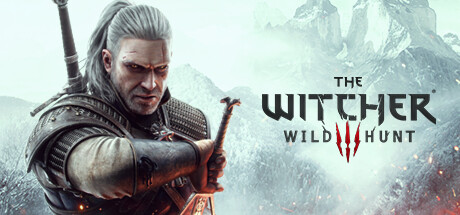
The Witcher 3 estableció un estándar para los RPG de mundo abierto que la mayoría de los juegos aún no han superado: misiones donde tus elecciones repercuten en la historia, un mundo que se siente vivo en lugar de solo rellenado, y un tono que toma situaciones moralmente complicadas en serio. Si has terminado todos los DLC y buscas alternativas de Witcher 3 para PC, tienes opciones mejores que en cualquier punto de la última década.
La opción más oportuna es Gothic 1 Remake, que se lanzó oficialmente esta semana y revive el clásico de culto que inspiró generaciones de desarrolladores de RPG europeos. Pero la lista no termina ahí. Desde el seguimiento cibernético propio de CD Projekt hasta la obra maestra basada en fiestas de Larian, clasificamos siete juegos que rascan el mismo picazón — cada uno por una razón diferente.
Por qué los jugadores buscan alternativas a Witcher 3 en 2026
El juego tiene 11 años. Incluso con el parche de próxima generación, algunos de sus costuras estructurales se están mostrando. Esto es lo que impulsa a los jugadores a buscar alternativas:
- La historia ha terminado. Ambas expansiones han sido completadas, modificadas y resumidas en YouTube. No hay nuevo contenido de historia en el horizonte.
- El combate envejeció de manera desigual. El ciclo de esquivar y signos se sentía fresco en 2015; comparado con Elden Ring o incluso Cyberpunk 2077 post-2.0, se siente superficial. Los jugadores que desean profundidad mecánica la encuentran en otro lugar.
- Ha llegado la fatiga del mundo abierto. La densidad del mapa que se sentía generosa en 2015 ahora se siente familiar. Los jugadores quieren un mundo que los sorprenda de nuevo.
- Existen mejores alternativas para cada gusto. ¿Realismo histórico? Kingdom Come II. ¿Mundo abierto sistémico? Cyberpunk 2077. ¿Exploración desafiante? Elden Ring. Witcher 3 ya no gana en todas las subcategorías.
Nada de esto hace que Witcher 3 sea un mal juego. Sigue siendo uno de los mejores RPG jamás creados. Pero si lo has terminado, estos siete juegos son hacia dónde ir a continuación.
Comparación rápida
| Juego | Mejor para | Precio (aprox.) | Similitud con Witcher 3 |
|---|---|---|---|
| Gothic 1 Remake | Atmósfera de fantasía oscura, sensación de RPG clásica | ~$40 | Muy alta |
| Kingdom Come: Deliverance II | Realismo histórico, narración fundamentada | ~$50 | Alta |
| Cyberpunk 2077 | Narrativa de CD Projekt Red, mundo abierto urbano | ~$30-40 | Alta |
| Elden Ring | Exploración de mundo abierto, combate desafiante | ~$60 | Media-alta |
| Baldur’s Gate 3 | Opciones de historia, tono maduro, misiones con consecuencias | ~$60 | Alta |
| Dragon Age: The Veilguard | Combate action-RPG, escritura de compañeros | ~$70 | Media |
| Skyrim Anniversary Edition | Mundo abierto atemporal, comunidad de modding | ~$50 (o más barato en ventas) | Media |
Las 7 mejores alternativas de Witcher 3 para PC
Gothic 1 Remake — mejor atmósfera de fantasía oscura
Gothic 1 Remake (THQ Nordic / Alkimia Interactive) se lanzó el 6 de junio de 2025 y es la alternativa más fresca de Witcher 3 disponible en este momento. El Gothic original de 2001 fue una de las inspiraciones clave para la tradición de RPG europeos que finalmente produjo The Witcher — así que jugar el remake se siente como rastrear ese linaje de vuelta a su fuente. El mundo reconstruido de la colonia Minental es hostil, críptico y recompensa la paciencia sobre el ajetreo. Comienzas como un prisionero sin nombre sin nada, y tu posición en el mundo se obtiene enteramente a través de tus propias acciones.
Dónde difiere de Witcher 3 es en escala y presupuesto de producción. No es una expansión de 100 horas — es un mundo enfocado y hecho a mano de aproximadamente 15-20 horas para una primera pasada. El combate es deliberado e implacable de manera que frustrará a los jugadores que esperen las animaciones fluidas de Geralt.
Dónde se queda corta: La cámara y los controles llevan algunos bordes ásperos de la filosofía de diseño original. Los NPC siguen horarios diarios rígidos que pueden sentirse mecánicos en comparación con los encuentros más narrativos de Witcher 3.
Precio:
- Sin nivel gratuito; solo compra completa
- Alrededor de $40 en Steam y GOG en el lanzamiento
- vs Witcher 3: precio similar, experiencia más corta
Resumen: La opción ideal si deseas jugar algo completamente nuevo esta semana y la atmósfera de fantasía oscura europea es el núcleo de lo que te encantó de Witcher 3.
Kingdom Come: Deliverance II — mejor RPG de realismo histórico
Kingdom Come: Deliverance II (Warhorse Studios, febrero de 2025) es el sucesor más claro del espíritu de Witcher 3 de tratar al jugador como un adulto. Dónde Witcher 3 construye peso moral a través de la lente de la fantasía, Kingdom Come II lo hace a través de la Bohemia medieval representada con precisión casi documental. Juegas como Henry de Skalitz, cuya historia comenzó en el original y se profundiza en la traición, la lealtad y la guerra aquí. La escritura es firme y específica — sin marco del elegido, sin destino mágico.
El juego también es genuinamente largo. La historia principal más las misiones secundarias funcionará 60-80 horas para la mayoría de los jugadores, y las misiones secundarias lo merecen. El combate es el más exigente mecánicamente de esta lista fuera de Elden Ring, requiriendo sincronización real, gestión de resistencia y aprendizaje de patrones de enemigos en lugar de simplemente subir de nivel.
Dónde se queda corta: La configuración realista significa sin magia y sin criaturas fantásticas, lo cual es una razón decisiva para los jugadores cuya unión a Witcher 3 es específicamente sobre la caza de monstruos y la tradición mágica.
Precio:
- Solo pagado; sin nivel gratuito
- Alrededor de $50 en Steam en el lanzamiento
- vs Witcher 3: precio similar, horas comparables, tono diferente
Resumen: Elige esto si lo que te encantó de Witcher 3 fue la escritura, el diseño de misiones y la sensación de que las opciones tienen peso — y no te importa cambiar espadas-y-hechicería por espadas-y-política.
Cyberpunk 2077 — lo mejor de CD Projekt Red
Cyberpunk 2077 es el otro juego de CD Projekt Red, y después de la expansión Phantom Liberty y la actualización 2.0 es un producto muy diferente de la versión problemática en el lanzamiento. El mundo abierto de Night City tiene densidad y carácter genuinos. La historia principal y Phantom Liberty cuentan una narrativa contenida e emocionalmente invertida con la misma voz de autor adulto que caracterizó a Witcher 3 en su mejor momento — el arco de V termina con el mismo tipo de melancolía ambigua y ganada honestamente que hizo que los finales de Witcher 3 funcionaran bien.
La revisión 2.0 reformuló completamente habilidades, ciberética e IA policial. El combate en la versión actualizada es rápido, sistémico y se sostiene contra cualquier cosa lanzada desde entonces. Si te lo saltaste durante el caos del lanzamiento o no lo has jugado desde 2020, la versión actual es efectivamente un juego diferente.
Dónde se queda corta: El mundo abierto, a pesar de toda su densidad, no coincide con la profundidad de la narración de misiones secundarias de Witcher 3. Muchas actividades secundarias se sienten superficiales en comparación con los contratos de Witcher 3, que a menudo eran mini-historias completas.
Precio:
- El juego base a menudo cae a $30 o menos en venta; Phantom Liberty suma $30
- Sin nivel gratuito
- vs Witcher 3: a menudo más barato, especialmente en ventas
Descargar: Steam · GOG · Epic Games Store
Resumen: La parada natural siguiente para cualquiera que haya amado la historia de Witcher 3 y el estilo de escritura de CD Projekt Red. Juega con Phantom Liberty.
Elden Ring — mejor desafío de mundo abierto
Elden Ring (FromSoftware, 2022, con la expansión Shadow of the Erdtree en 2024) no comparte casi nada del diseño de superficie de Witcher 3, pero los jugadores que amaban el sentido de descubrimiento en Witcher 3 a menudo lo encuentran aquí también. Lands Between es un mundo abierto construido para la exploración cuidadosa en lugar de simplemente seguir puntos de ruta, y cada rincón contiene algo significativo: un jefe, un arma, un fragmento de tradición escrito en descripciones de objetos. La construcción del mundo es densa y oblicua de manera que recompensa a los jugadores que se involucran con ella.
Shadow of the Erdtree, lanzado en junio de 2024, es ampliamente considerado como uno de los mejores DLC que FromSoftware ha producido jamás y agregó otros 20-30 horas de contenido de alta calidad. El juego base y la expansión juntos representan un valor excepcional.
Dónde se queda corta: No hay historia impulsada por diálogos en el sentido de Witcher 3. Si el atractivo de Witcher 3 para ti fue la narrativa y la escritura de personajes, Elden Ring te parecerá frustrante. El combate también castiga a los jugadores que no están dispuestos a aprender de muertes repetidas — esto no es una experiencia casual.
Precio:
- Juego base alrededor de $60; expansión Shadow of the Erdtree alrededor de $40
- Sin nivel gratuito
- vs Witcher 3: más caro con DLC, pero muy largo
Descargar: Steam · Epic Games Store
Resumen: Elige esto si la exploración y la densidad del mundo de Witcher 3 es lo que persigues, y estás preparado para el combate castigador y gratificante.
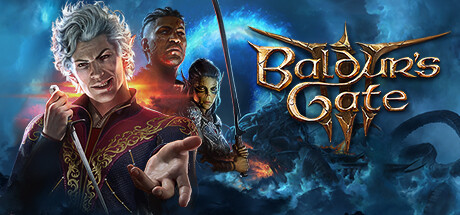
Baldur's Gate 3 — mejor RPG moderno basado en fiestas
Baldur’s Gate 3 (Larian Studios, 2023) es uno de los RPG más aclamados lanzados en la última década. La escritura es el argumento más fuerte para ello: los personajes compañeros tienen arcos completamente realizados, tus opciones moldean la narrativa de manera que realmente divergen, y el tono maneja asuntos para adultos con seriedad sin ser gratuito. Si la gran fortaleza de Witcher 3 fue hacerte que realmente te importaran los personajes secundarios, Baldur’s Gate 3 hace lo mismo, repetidamente, a lo largo de un juego de más de 100 horas.
El sistema de reglas D&D 5e es profundo y permite un enorme rango de compilaciones. El juego está diseñado alrededor de una fiesta de cuatro, por lo que la capa social y estratégica es más rica que el enfoque principalmente solitario de Witcher 3.
Dónde se queda corta: Este es un RPG táctico basado en turnos, no un action RPG. Si el sentimiento cinético del combate de Witcher 3 es parte del atractivo, el ritmo aquí es completamente diferente. El tercer acto también es ampliamente considerado más débil que los dos primeros en términos de ritmo.
Precio:
- Alrededor de $60
- Sin nivel gratuito
- vs Witcher 3: precio similar, significativamente más horas
Resumen: El mejor RPG para jugadores cuya unión a Witcher 3 es a la historia, los personajes y las consecuencias — no al combate de acción.
Dragon Age: The Veilguard — mejor action-RPG de 2024
Dragon Age: The Veilguard (BioWare, octubre de 2024) es el cuarto Dragon Age y la entrada más orientada a la acción de la serie. Comparte el interés de Witcher 3 en relaciones de compañeros y un mundo moldeado por facciones políticas, y el combate ha sido simplificado en algo más rápido y parecido a la máquina tragaperras que entradas anteriores. Siete compañeros tienen sus propias tramas que se desarrollan a lo largo del juego, y la calidad de la escritura para arcos de compañeros es en general fuerte.
The Veilguard es una experiencia más pulida y accesible que las entradas anteriores de Dragon Age. No alcanza los picos narrativos de Origins o la narración ambiental de Witcher 3, pero es un action RPG competente y agradable que se ajusta directamente al mismo género amplio.
Dónde se queda corta: La narrativa principal ha sido divisiva. Los jugadores que esperaban la oscuridad y la complejidad política de los juegos anteriores de Dragon Age encontraron un tono más ligero de lo esperado. El diseño de segmento de mundo abierto es menos interesante que el de Witcher 3.
Precio:
- Alrededor de $70 en el lanzamiento; frecuentemente descuentos
- Sin nivel gratuito
- vs Witcher 3: más caro a precio completo, a menudo comparable en ventas
Descargar: Steam · Epic Games Store
Resumen: Una buena opción si deseas la profundidad de relación de compañeros de Witcher 3 en un formato de acción accesible, y no estás invertido en la continuidad del lore de Dragon Age.
The Elder Scrolls V: Skyrim Anniversary Edition — mejor mundo abierto atemporal
The Elder Scrolls V: Skyrim Anniversary Edition (Bethesda, actualización 2021 de un juego de 2011) está en esta lista no porque se lanzó recientemente sino porque sigue siendo singularmente relevante en 2026. La comunidad de modding ha producido miles de adiciones de alta calidad durante 15 años, y la Anniversary Edition incluye 500 piezas de contenido oficial de Creation Club. Con los mods correctos — sobrescrituras gráficas, reemplazos de combate, paquetes de misiones — el Skyrim moderno puede verse y jugarse como un lanzamiento de 2024.
Las misiones del juego base son más superficiales que las de Witcher 3. Dónde Witcher 3 te da escenarios cargados moralmente con consecuencias duraderas, Skyrim te da una arenera donde defines tu propia historia a través de la exploración. Los dos juegos sirven estados de ánimo diferentes.
Dónde se queda corta: La escritura es más delgada y las opciones de historia son menos significativas que Witcher 3. El sistema de combate, incluso con mods, carece del pulido de títulos más recientes. La filosofía de diseño RPG de Bethesda — mundo denso, sistemas superficiales — es una cantidad conocida que no a todos les encanta.
Precio:
- Anniversary Edition alrededor de $50, pero frecuentemente en venta profunda (a menudo $10-15)
- Sin nivel gratuito
- vs Witcher 3: generalmente más barato en venta, precio base comparable
Resumen: Elige esto si lo que deseas es una arenera en la que puedas sumergirte cientos de horas y moldear con mods. Omítelo si necesitas el diseño dirigido por historia y consecuencias de Witcher 3.
Cómo elegir
Elige Gothic 1 Remake si deseas algo que se lance ahora mismo y la atmósfera clásica de fantasía oscura europea es el núcleo de tu afición por Witcher 3. Es la opción más oportuna y una carta de amor al género.
Elige Kingdom Come: Deliverance II si la narración sólida y moralmente compleja es lo que valoraste más y estás preparado para un mundo sin magia ni monstruos.
Elige Cyberpunk 2077 si deseas la misma voz de autor que Witcher 3 y estás abierto a una ciudad sci-fi en lugar de una campiña fantástica. La actualización 2.0 la hace digna de jugar independientemente de lo que pensaste del lanzamiento.
Elige Elden Ring si la exploración y la densidad de construcción mundial importan más que la narrativa, y deseas un desafío genuino. Agrega Shadow of the Erdtree para un paquete casi completo.
Elige Baldur’s Gate 3 si la escritura de compañeros y la consecuencia de historia es lo que persigues. Es la escritura de RPG más fuerte en esta lista.
Elige Dragon Age: The Veilguard si deseas un action RPG accesible con arcos de compañeros, sin la dificultad mecánica de Elden Ring o el ritmo basado en turnos de Baldur’s Gate 3.
Elige Skyrim Anniversary Edition si deseas desaparecer en un mundo durante cientos de horas y moldearlo a través de mods. No replica la calidad de historia de Witcher 3, pero nada sustenta el valor de repetición como este.
Quédate con Witcher 3 si aún no has jugado la expansión Blood and Wine. Es posiblemente el mejor DLC en la historia del RPG y suma 20-plus horas de algunos de los contenidos de mayor calidad en todo el juego.
Preguntas frecuentes
¿Hay algo tan bueno como The Witcher 3?
Baldur’s Gate 3 y Kingdom Come: Deliverance II coinciden o superan en áreas específicas — BG3 en escritura de compañeros y consecuencia de historia, KCD2 en narración histórica sólida. Ningún juego individual replica cada fortaleza de Witcher 3 simultáneamente, pero cada uno de estos dos se acerca más en sus respectivos dominios.
¿Cuál es la mejor alternativa a Witcher 3 en 2026?
Para la opción más oportuna, Gothic 1 Remake acaba de lanzarse. Para la calidad general y la similitud con lo que hizo que Witcher 3 funcionara, Kingdom Come: Deliverance II y Cyberpunk 2077 (con Phantom Liberty) son las opciones más fuertes. Para jugadores que desean el mejor RPG lanzado en años recientes independientemente de la similitud, Baldur’s Gate 3 es difícil de discutir.
¿Es Cyberpunk 2077 más cercano a Witcher 3 que las otras opciones?
En términos de voz de autor y ambición narrativa, sí — es el otro juego de CD Projekt Red. La configuración es completamente diferente (ciudad sci-fi vs campiña fantástica), pero el enfoque de escritura, la forma en que las opciones afectan el final y el tono adulto todos se sienten como el trabajo del mismo equipo. Después de la revisión 2.0, la brecha de juego se ha estrechado significativamente.
¿Hay alguna alternativa gratuita de Witcher 3 en PC?
Ninguno de los juegos en esta lista tiene un nivel gratuito. Witcher 3 mismo ocasionalmente aparece en servicios de suscripción como Xbox Game Pass. Skyrim Anniversary Edition es la más probable que sea descuentos profundos — se ha vendido por menos de $10 durante las ventas estacionales.
¿Tiene Elden Ring una historia como Witcher 3?
No. Elden Ring cuenta su historia a través del diseño ambiental y descripciones de objetos en lugar de misiones impulsadas por diálogos. Los jugadores que disfrutan reuniendo historia a partir de fragmentos la encuentran profundamente gratificante. Los jugadores que desean una narrativa con personajes, árboles de diálogos y beats de historia clara deben elegir Baldur’s Gate 3 o Kingdom Come: Deliverance II en su lugar.